From data to action: How EasyMile's impact is growing
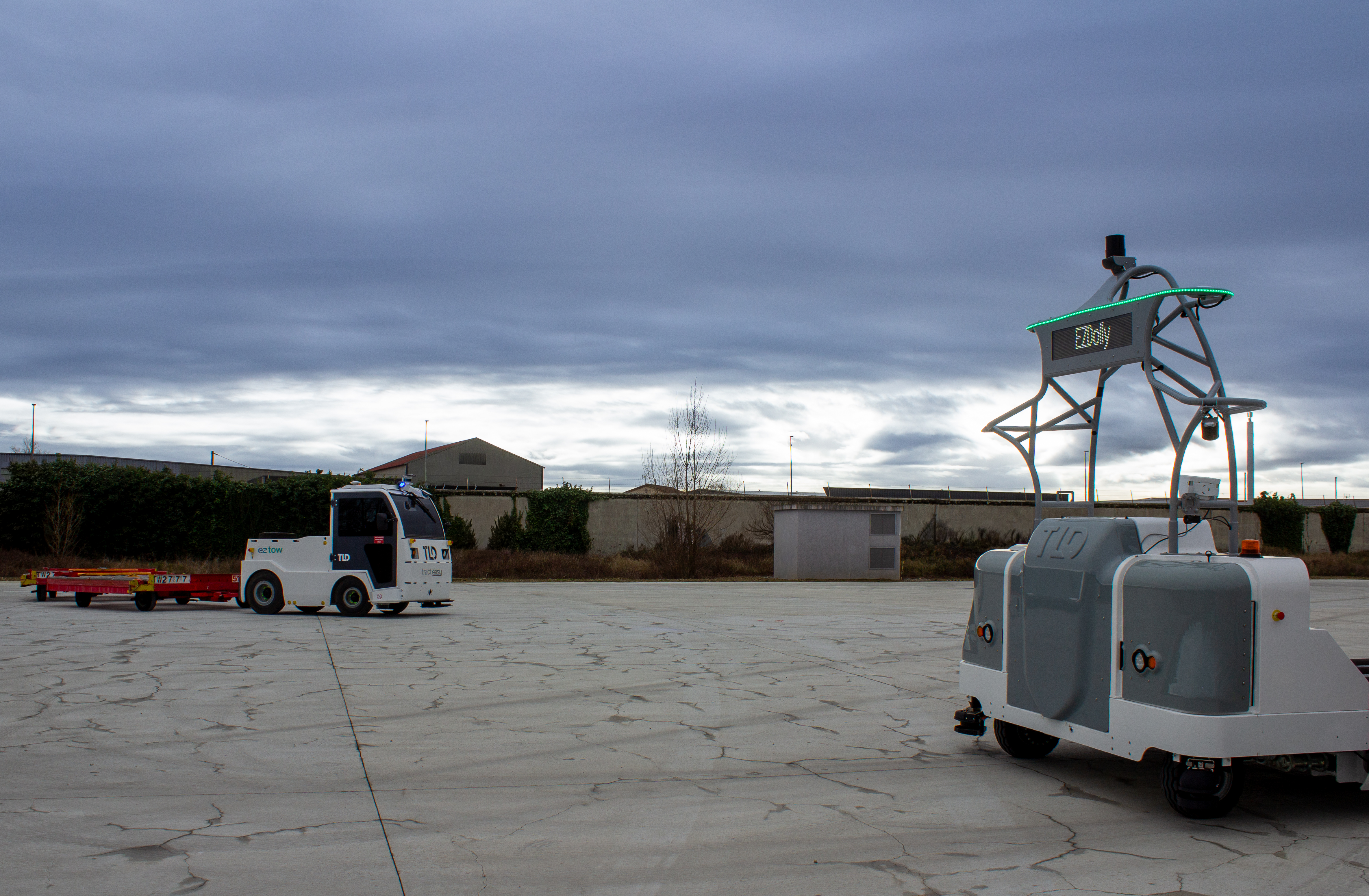
In 2025, EasyMile pivoted to a focus on autonomy for heavy-duty vehicles, a significant transition that included organizational change.
Through all of it, our CSR work didn't pause.
The annual carbon footprint assessment ran as planned, our environmental and social action plans stayed on track, and 64% of employees undertook some form of training during the year.
Flying less, doing more
Business travel has long been our biggest emissions source. In 2025, we cut it dramatically, with travel emissions falling from 235 tCO₂e in 2024 to 70 tCO₂e. Some of that reflects the year's organizational shifts, but a meaningful share comes from a deliberate push toward remote diagnostics and maintenance. More vehicle interventions that previously required a technician on-site can now be handled remotely.
Our goal for 2026 is to make this structural: enabling more than 50% of standard vehicle interventions to be performed remotely. We're also developing preventive maintenance solutions to anticipate issues and optimize on-site visits. Fewer flights, faster support, and a smaller footprint for our customers too.
Our vehicles are avoiding emissions, not just reducing them
Here's a number we're especially proud of: EasyMile's autonomous solutions helped customers avoid an estimated 125 tCO₂e of emissions in 2025. Deployed in vehicles like the EZTow at industrial sites and airports worldwide, our technology supports fleet electrification and brings a smooth, steady driving style that's simply more energy-efficient than human-operated vehicles.
As fleets driven by our technology scale, so does this positive impact. More driverless vehicles in operation means more emissions avoided. It's one of the clearest ways our technology creates real environmental value.
A year of organizational change and commitment that held
2025 was not an easy year internally. EasyMile went through significant restructuring and transition. Despite that context, we maintained every one of our CSR commitments: the annual carbon footprint assessment ran as planned, our environmental and social action plans stayed on track, and 64% of employees still undertook some form of training during a year of real disruption.
That resilience matters. It shows that our sustainability work isn't a fair-weather initiative. It's part of how we operate.
Responsible AI is now part of our governance
2025 also saw EasyMile publish its first AI Policy and AI Charter, a formal framework governing how generative AI tools are used across the company. This covers approved tools, data privacy rules, and a clear principle of human oversight at all times.
As autonomous technology scales, so does our responsibility to operate with integrity. Governance around AI isn't separate from our ESG work. It's central to it.
What's next: Scaling the benefits
Our Impact Road Map for 2026 builds on everything we've learned. Here's where we're focusing:
- Remote first: Targeting over 50% of vehicle interventions handled remotely, cutting travel emissions further while improving response times for customers.
- Smarter procurement: Carbon criteria will now factor into how we choose suppliers, not just how we ship.
- Refurbished by default: Continuing to prioritize refurbished IT equipment to reduce tech waste.
- People and planet together: Expanding internal training, coaching for managers, and keeping environmental awareness on the agenda at every All Company Meeting.
- The goal has always been the same: make our technology safer, our operations leaner, and our impact something we're genuinely proud of. In 2025, we moved measurably closer to all three.
🔗 Want to explore the full picture? Read our 2026 Impact Report here.


